Improving Cancer Data through #MakeMeCount
You deserved to be counted.
Did you know current cancer data in Canada is incomplete and fragmented, specifically around rates of recurrence of metastatic breast cancer, race, and social determinants of health?
Let government officials know the importance of accurate cancer data reflective of diverse experiences.
The Issue
Breast cancer is the most common cancer in women in Canada. Yet we don’t know how many Canadians will receive a stage 4, metastatic diagnosis each year.
Canada reports statistics on initial cancer diagnosis and mortality but not recurrences, which represent the majority of metastatic breast cancer (MBC) cases.
Without this data, we cannot understand MBC:
- Who are these women?
- How long do they live?
- How many are under the age of 50?
- What is their experience?
Racialized data also isn’t collected, leaving us in the dark about understanding the effects of breast cancer on People of Colour and Indigenous women, including how race and/or systemic racism impacts rates of diagnosis, recurrence or metastasis. The same for social determinants of health data overall.
We are a human focused organization, so why do we care about data?
Because data represents people. And right now, so many people’s experiences are completely invisible.
This means our cancer care systems are using fragmented, incomplete data to inform cancer plans, allocate funding, forecast our workforce needs and decide on priorities.
It is impossible to truly understand the impact of cancer on different populations without complete data that can be shared among provinces and regions across Canada.
If we don’t know who is actually affected by cancer, how do we know how to best treat them? How can we plan for their care needs? How can they have the best chance to live better and longer?
That’s why we created the #MakeMeCount movement, a call to get complete and harmonized cancer data that will allow us to identify high risk populations, gaps in care and opportunities to improve outcomes
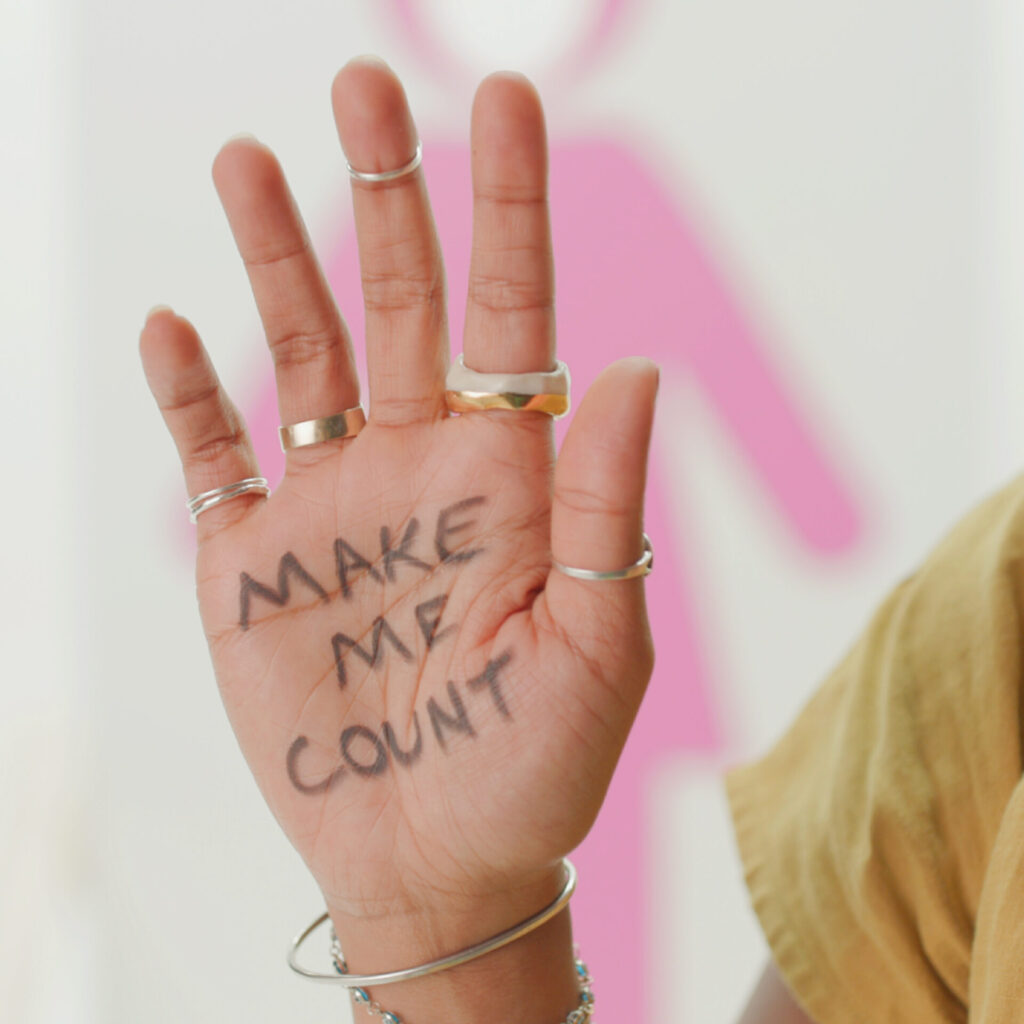
From the Community
Hear from people diagnosed with breast cancer on how their experiences are missing from cancer data and why it’s important to make them count.
Hi, I’m Nicole Stat
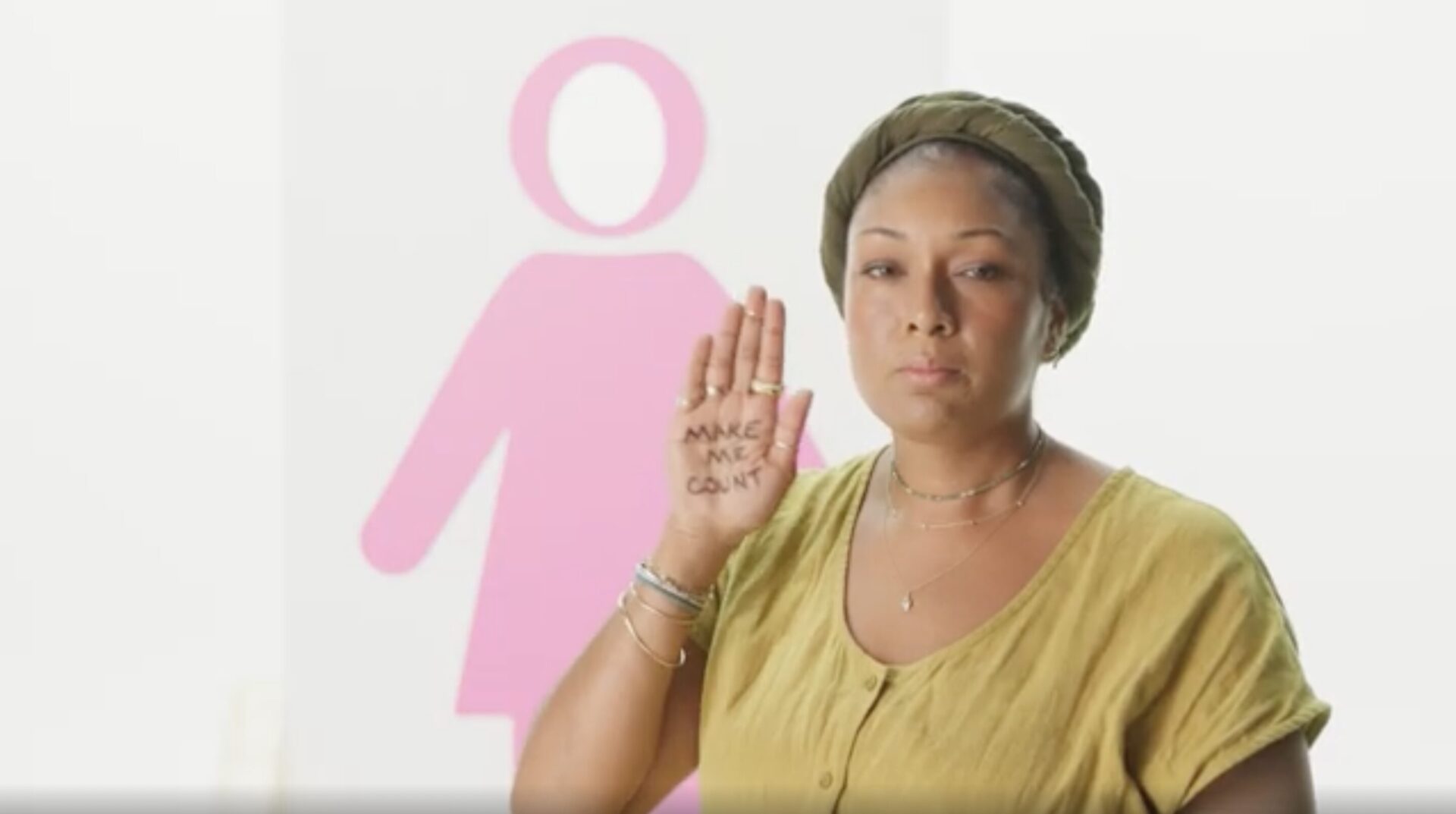
Hi, I’m Vesna Stat

Hi, I’m Ashley Stat
Hi, I’m Spencer Stat
Hi, I’m Clare Stat
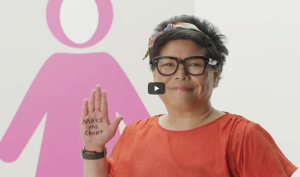
Credits
Special thank you to the team who made the videos for our campaign possible.
- Nicole, Vesna, Ashley, Spencer and Clare, our lovely “stat stars”
- Nathalie Cusson (Scooter Design Inc.), Director/Producer/Creative Director
- Sarah Musgrave, Script Editor/Associate Creative Director
- George Allister (The Video Company), Director of Photography
- Patrick Boivin (The Video Company), Director of Photography
- Juan Fernandez (The Video Company), Audio Recordist
- Quincy Williams (The Video Company), Assistant/Gaffer
- Evan Rappaport (Judy Inc.), Set Builder
- Melanie Brideau (Judy Inc.), Hair and Makeup Artist
- Natalie Trivino, Editor, Motion Designer, Colorist
- Matthieu Nantel, Original music score and audio mix
Our Advocacy Approach
Rethink is meeting with federal and provincial decision makers to raise awareness about how critical these gaps are. We are making sure more complete, harmonized cancer data is a priority for them. An increased and sustained investment in data systems across all provinces and territories is essential to managing cancer care in Canada and improving patients’ outcomes.
By signing the #MakeMeCount petition, you are letting decision makers know that this is an important issue to the cancer community and for all Canadians. Join our call for more complete cancer data so we can:
- Identify the gaps
- Target outcomes
- Improve care
Take Action With Us
Sign the #MakeMeCount Petition. You count when you are counted.
Our progress
Here is how we’re advancing towards complete and harmonized breast cancer data:
Advancing Global Visibility for Metastatic Breast Cancer | #CountUsIn pledge
In July 2025, we committed to the #CountUsIn pledge alongside Breast Cancer Network Australia and Breast Cancer Now (UK).
This pledge shows our commitment as three leading breast cancer advocacy organizations to work together and call on governments to accurately count how many people are living with metastatic breast cancer (MBC). Together with our global networks, we can drive faster improvements to cancer data for MBC and other cancers.
In May 2026, we published a one-year update on our commitment.
Accounting for Underserved Populations in Cancer Data | #MakeMeCount
In October 2024, Rethink launched the #MakeMeCount campaign. It built on our 2020 #MakeMBCCount campaign, focusing on more complete data about MBC. The reality is Canada’s cancer data is fragmented beyond that. We also lack critical information about race and the social determinants of health, which is why #MakeMeCount calls for more complete cancer data overall so we can truly understand the impact of breast cancer on different populations.
To date, we have received over 1,200 signatures on our petition.
Advocating for More Accurate Data about Metastatic Breast Cancer | #MakeMBCCount
Our first movement towards more complete cancer data was #MakeMBCCount in 2020. #MakeMBCCount was created in recognition that we don’t know how many people receive a stage 4, metastatic diagnosis each year, even though breast cancer is the most common cancer in for women globally.
Most cancer registries around the world collect information about initial cancer diagnosis and mortality but do not document recurrences, which represent the majority of MBC cases.
We called on our community to become MBC Allies and stand together for women living with metastatic breast cancer. Our allies continue to support and mobilize around key MBC advocacy initiatives — and you can still sign the pledge today.
More ways to support
Looking for other ways to get involved? Explore our MBC Fund, Adopt a Hospital and Raise Funds for Rethink initiatives.